

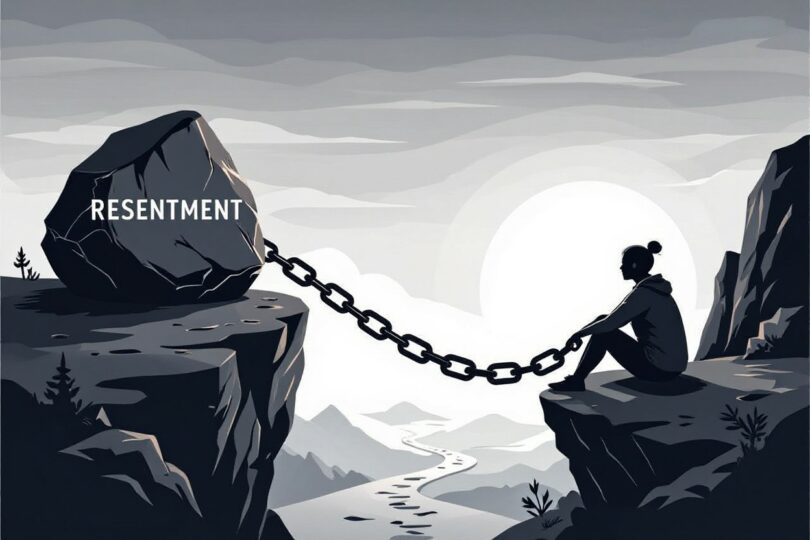
Those grudges you’re carrying around? They’re not just emotional baggage – they’re literally draining your energy and potential right now. Think of resentment like carrying a heavy backpack filled with rocks everywhere you go. Every time you replay that argument or slight in your mind, you’re adding another rock. Your relationships suffer because you’re viewing everything through that lens of past hurts. Your creativity gets blocked, your sleep quality tanks, and even your immune system takes a hit. The mental real estate that grudges occupy could be used for planning your next vacation, learning a new hobby, or building meaningful connections. By holding onto these grudges, you’re giving away your power to people who’ve probably moved on and forgotten all about it.
This post contains Amazon affiliate links, meaning I may earn a small commission if you purchase through my links, at no extra cost to you. Note: We aim to provide accurate product links, but some may occasionally expire or become unavailable. If this happens, please search directly on Amazon for the product or a suitable alternative.
Let’s talk about something that might be hitting close to home – holding onto resentment. You know that feeling when someone’s wronged you, and you just can’t seem to let it go? It keeps playing in your mind like a broken record, right?
Think about it this way – holding onto resentment is like drinking poison and expecting the other person to get sick. Pretty crazy when you put it that way, isn’t it? But that’s exactly what we do when we hold onto those negative feelings.
I get it – letting go isn’t easy. Maybe someone betrayed your trust, broke your heart, or just did something that really hurt you. And you might be thinking, “Why should they get away with it?” But here’s the thing – by holding onto that resentment, you’re not punishing them. You’re only punishing yourself.
You deserve better than to let past hurts control your present happiness. Every time you replay that situation in your mind, you’re giving away your power to enjoy the present moment. It’s like watching a sad movie on repeat when there’s a whole world of amazing experiences waiting for you.
Ready to turn “letting go” from a concept into a practice?
Loved this article? Go deeper with your FREE, enhanced PDF guide — perfect for keeping these lessons handy and sharing the journey with others.
This exclusive download includes:
✅ Key takeaways summarized for quick review
✅ A powerful bonus exercise not found in the article
✅ Take It On the Go: Access this powerful guide anytime, anywhere, and stay inspired wherever life takes you.
✅ Action-oriented tips to help you truly break free from resentment
Get your PDF instantly when you join the How To Think Positive newsletter. You’ll also receive gentle support and practical tools to help you cultivate peace and positivity — delivered straight to your inbox.
👉 Click Here to Download Your Free Guide
Your journey to freedom continues here. 💛

Want to break free? Start small. Next time those feelings bubble up, take a deep breath and ask yourself: “Is holding onto this making my life better?” If the answer is no (spoiler alert: it usually is), then it’s time to start letting go. Practice self-care, surround yourself with positive people, and focus on creating the life you want.
The best revenge? It’s not holding onto resentment – it’s living your best life. When you let go of what’s weighing you down, you make room for all the good stuff life has to offer. Ready to drop that heavy emotional baggage? Your future self will thank you for it!
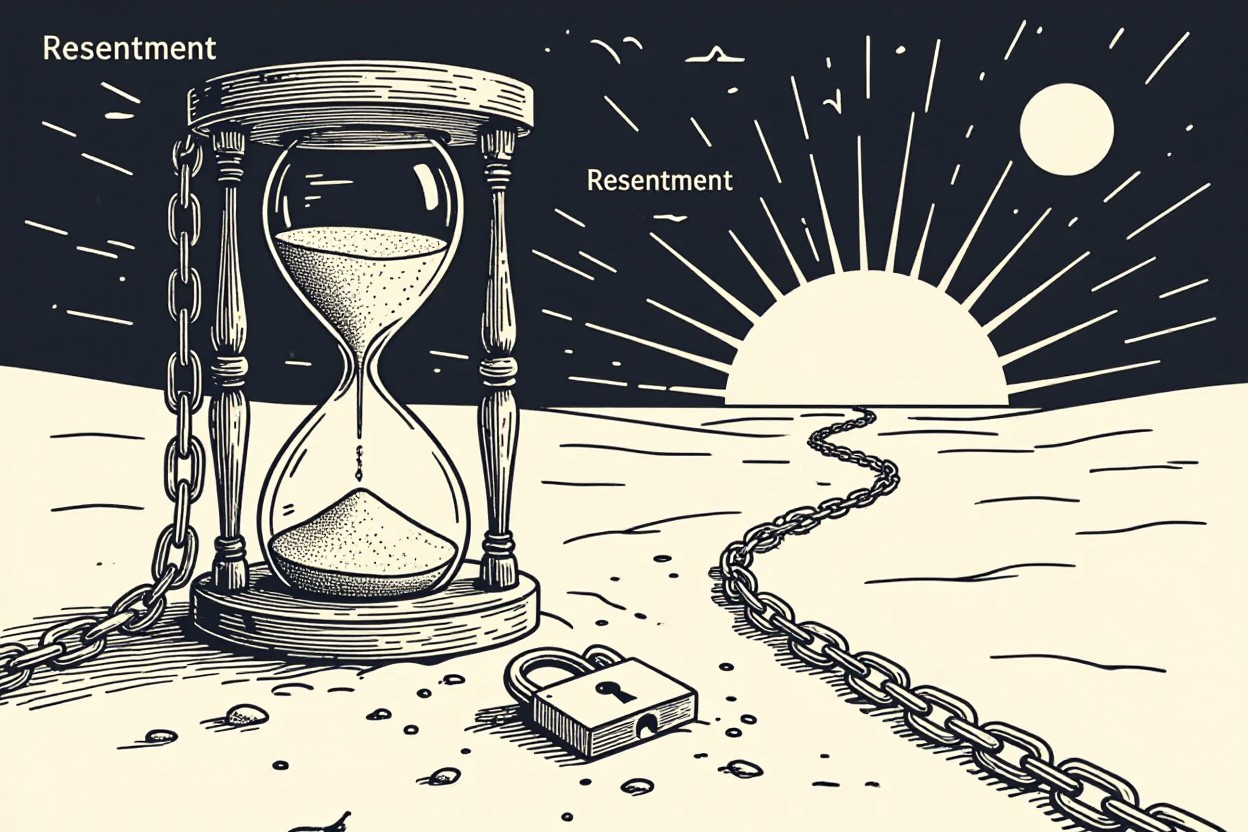
Trapped in the Past: Recognizing the Signs of Resentment
The Emotional Weight of Unhealed Wounds
Those painful memories you’re carrying around? They’re like heavy emotional baggage weighing down your spirit. Maybe it’s that friend who betrayed your trust, the promotion you deserved but didn’t get, or the family member who never apologized. These unresolved hurts don’t just fade away – they stick around, coloring your perspective and draining your emotional energy day after day.
How Resentment Affects Your Daily Life
Your resentment isn’t just living in your head – it’s showing up in every corner of your life. That knot in your stomach when you see certain people, the way you hold back in relationships, or how you’ve stopped pursuing dreams because past disappointments still sting. These feelings can even manifest as physical tension, leaving you reaching for stress relief products more often than you’d like.

Think about how resentment might be sabotaging your happiness right now. You might find yourself avoiding social events where certain people might be present, or holding back in new relationships because you’re afraid of getting hurt again. Perhaps you’ve noticed you’re quick to assume the worst in situations, or you’re constantly replaying old scenarios in your head, trying to think of better comebacks or different outcomes. These thought patterns can turn into self-imposed limitations, preventing you from fully embracing new opportunities and connections.
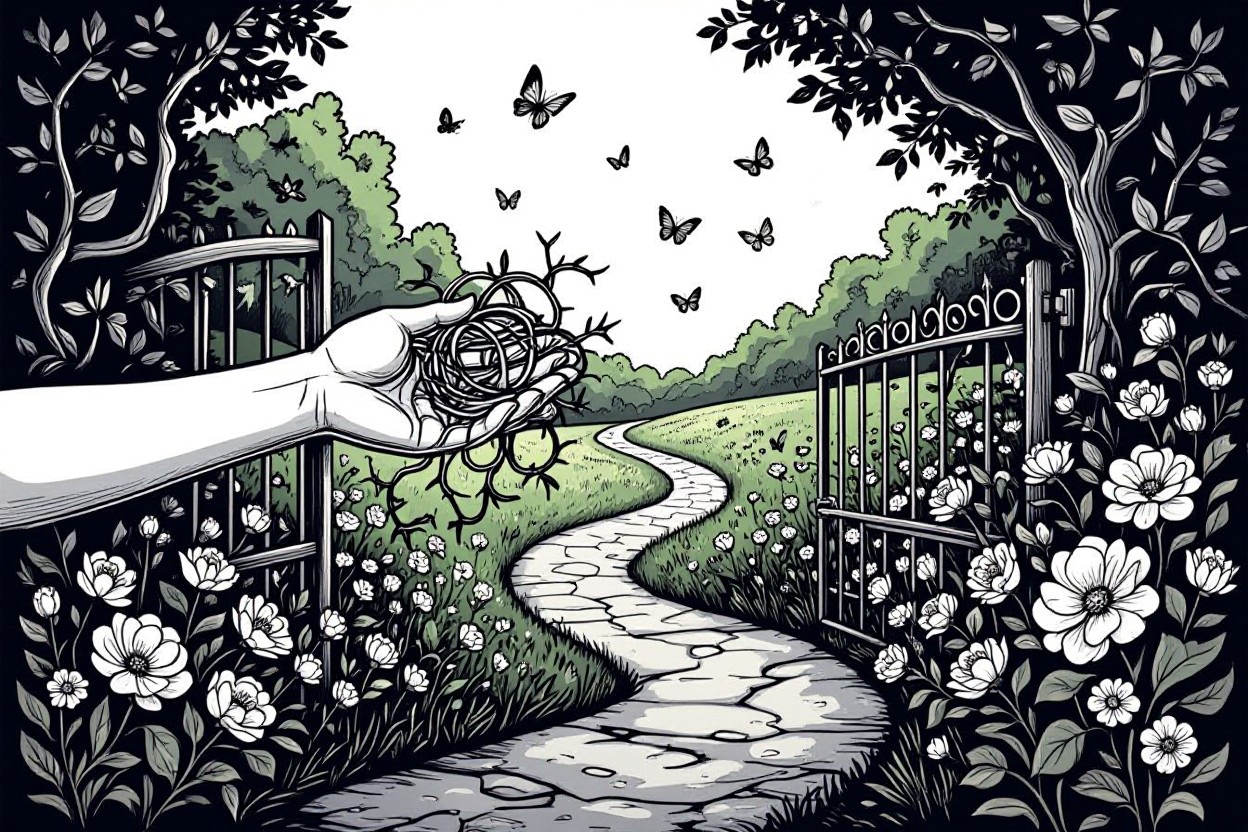
The Freedom of Forgiveness: Reclaiming Your Power
Forgiveness isn’t about letting someone off the hook – it’s about unlocking your own chains. Think of it as decluttering your emotional space, just like you’d clear out an overcrowded closet. When you choose to forgive, you’re not saying what happened was okay; you’re saying you won’t let it control your life anymore.
The Misconception of Forgiveness as a Weakness
You might think forgiveness means you’re giving in or showing weakness. Nothing could be further from the truth! Forgiving takes incredible strength and courage. It’s like being the bigger person in an argument, but on a much deeper level. You’re choosing your peace over your pride, and that’s one of the most powerful moves you can make.
Practical Steps to Let Go
Start small – grab your journal and write down what you’re holding onto. Then, try this: imagine putting each grudge into a balloon and watching it float away. Practice self-compassion exercises, set healthy boundaries, and surround yourself with positive people who lift you up. Each day, choose one small thing to release – like letting go of a minor annoyance or past slight.
The journey to forgiveness isn’t linear. Some days you might feel like you’re taking two steps forward and one step back. That’s perfectly normal! Create a daily ritual of releasing negative thoughts – maybe during your morning coffee or evening walk. Consider working with a therapist or joining a support group if you’re dealing with deeper wounds. The key is to be patient with yourself while staying committed to your emotional freedom.
Building Healthier Relationships: The Ripple Effect of Releasing Resentment
How Resentment Impacts Your Connections
That grudge you’re holding onto isn’t just affecting you – it’s creating invisible walls between you and everyone around you. When you carry resentment, you subconsciously put up guards, making it harder for people to connect with the real you. Your relationships become filtered through that lens of past hurts, preventing genuine intimacy and trust from flourishing. Even relationships completely unrelated to your original source of resentment can suffer as you become more hesitant to open up and be vulnerable.
Cultivating Empathy and Understanding
Shifting your perspective from anger to understanding opens up a whole new world of connection. Start by looking at situations through others’ eyes – maybe that friend who hurt you was going through their own struggles, or that family member who disappointed you was doing their best with the tools they had. This mindset shift isn’t about excusing bad behavior – it’s about freeing yourself from the weight of negative emotions that hold you back.
The practice of empathy transforms not just how you view past hurts, but how you approach all relationships moving forward. Try this: next time you feel triggered, pause and ask yourself what might be happening in the other person’s world. Are they stressed? Overwhelmed? Understanding doesn’t mean you have to agree – it simply means you’re choosing to see the full picture. This approach helps you respond thoughtfully rather than react emotionally, creating space for deeper, more meaningful connections in all areas of your life.
Embracing a New Mindset: Strategies for Staying Present
Breaking free from resentment starts with shifting your focus to the present moment. Your mind can’t simultaneously hold onto past hurts and embrace new possibilities. By consciously choosing to stay grounded in the now, you create space for healing and growth. Think of it like decluttering your mental space – the more you clear out old emotional baggage, the more room you have for joy and new experiences.
Mindfulness Practices to Ground Yourself
Start your day with simple meditation practices that anchor you in the present. Take three deep breaths whenever you catch yourself dwelling on past hurts. Focus on the sensations around you – the warmth of your coffee cup, the texture of your clothing, or the sounds in your environment. These small moments of awareness pull you out of the spiral of resentment and back into the now.
Positive Affirmations for Moving Forward
Replace negative thought patterns with empowering affirmations that reinforce your strength and resilience. Statements like “I choose peace over resentment” and “My future is not defined by my past” can reshape your mindset. Say these out loud while looking in the mirror each morning – your brain will gradually adopt these new, healthier thought patterns.
The power of positive affirmations lies in their ability to rewire your thought patterns over time. Each time you catch yourself slipping into resentful thoughts, pause and repeat your chosen affirmation. Write them in your journal, set them as phone notifications, or place sticky notes around your home. This consistent reinforcement helps build new neural pathways, making it easier to choose positive thoughts over negative ones. Your mind will naturally begin gravitating toward hope and possibility rather than dwelling in past hurts.
The Transformative Journey: From Resentment to Resilience
Your path to letting go of resentment isn’t just about releasing negative emotions—it’s about discovering a stronger, more resilient version of yourself. Think of it as upgrading your emotional operating system. Each step forward, no matter how small, builds your capacity to handle life’s challenges with grace. This journey transforms you from someone held back by past hurts into someone who uses those experiences as stepping stones to personal growth.
Celebrating Small Victories on Your Path
Those moments when you catch yourself choosing forgiveness over anger? That’s worth celebrating! Maybe you finally deleted those old text messages you kept as “evidence,” or perhaps you smiled genuinely at someone who once hurt you. These small wins deserve recognition—treat yourself to a new gratitude journal or take a peaceful walk in nature. Each victory, no matter how tiny, is reshaping your emotional landscape.
Inspiring Stories of Others Who Have Let Go
Take Sarah, for example. After holding onto anger toward her former business partner for three years, she finally chose to release that burden. Now she runs a thriving meditation studio and mentors other entrepreneurs. Or Michael, who transformed his resentment toward his ex into fuel for personal growth, becoming a better co-parent and finding new love. These real stories show that letting go isn’t just possible—it’s the gateway to your best life.
These transformative journeys remind us that releasing resentment often leads to unexpected gifts. Some people discover hidden talents, launch new careers, or build deeper connections with others. The energy once spent maintaining grudges gets redirected into creative projects, meaningful relationships, and personal development. Your story of letting go could become someone else’s inspiration—just like Sarah and Michael’s stories might be inspiring you right now.
To wrap up
As a reminder, holding onto emotional baggage only weighs you down and keeps you from living your best life. When you choose to release resentment, you’re giving yourself the gift of freedom and peace. Your journey to letting go might take time, but with consistent mindfulness practice and self-compassion, you can break free from these emotional chains. Start today by acknowledging your feelings, forgiving yourself and others, and stepping into a lighter, brighter future that’s waiting for you.
FAQ
Q: Why does holding onto resentment affect my personal growth?
A: Resentment acts like emotional baggage weighing you down. When you’re carrying around negative feelings about past hurts, it’s like trying to run a marathon with a heavy backpack. It drains your energy, clouds your judgment, and keeps you focused on the past instead of moving forward. Think of it as being stuck in a loop of replaying old episodes while missing out on the new season of your life. By holding onto these feelings, you’re giving away your power to create positive changes and fresh opportunities.
Q: How can I tell if resentment is affecting my daily life?
A: Look for signs like constantly bringing up past situations, feeling bitter when seeing certain people succeed, or having trouble sleeping because your mind keeps racing with “what-if” scenarios. If you find yourself reaching for stress relief products more often than usual, or if your friends notice you’ve become more negative lately, these could be clear indicators that resentment is taking up too much space in your life.
Q: What’s the first step to letting go of resentment?
A: Start by acknowledging your feelings without judgment. It’s like decluttering your emotional space – first, you need to take everything out and look at it. Get yourself a nice journal and write down what’s bothering you. This isn’t about reliving the pain; it’s about recognizing it’s there and deciding you’re ready to move forward. Think of it as preparing for an emotional garage sale – you’re getting ready to let things go.
Q: How can I replace resentful thoughts with more positive ones?
A: Practice redirecting your thoughts like changing the channel on TV. When resentful thoughts pop up, switch to focusing on something you’re grateful for or a goal you’re working toward. Consider using meditation cushions to create a daily mindfulness practice. The more you train your brain to focus on the present and future possibilities, the less power those old resentments will have over you.
Q: What are some practical ways to maintain emotional freedom once I’ve let go of resentment?
A: Create new, healthy habits that support your emotional wellbeing. This might include starting your day with aromatherapy for a positive mood, setting boundaries with people who trigger negative feelings, and celebrating small wins in your journey. Surround yourself with supportive friends and activities that bring you joy. Think of it as creating a new playlist for your life – one that’s full of upbeat, empowering tracks instead of sad songs from the past.
Ready to finally break free from the negativity trap?
You’ve read about the 3am spiral, the financial struggle, the self-sabotage. You know the feeling of being stuck all too well. But here’s the truth: You are not broken, and you are not alone.
Introducing Self-Empowerment Awakening—the complete system that pulled me back from the edge. This isn’t fluffy "just think positive" advice. It’s a proven, step-by-step framework to:
✅ Transmute negativity at its root—not just cover it up.
✅ Reprogram the subconscious beliefs keeping you stuck.
✅ Align your energy to attract the life you actually want.
✅ Unlock your true identity—free from past failures.
This system includes 5 powerful modules, plus 3 exclusive bonus guides and 3 classic personal development personal improvement guides you can add to your online library. It’s the exact roadmap I used to escape depression and financial struggle, and it’s helped hundreds of others do the same.
For a limited time, get instant access for just $27 (regularly $47). Lifetime Access.
👉 Click Here to Start Your Transformation Now
P.S. You didn’t find this page by accident. Something inside you is ready for change. The system is here. The tools are ready. The only question is: are you ready to take the first step?
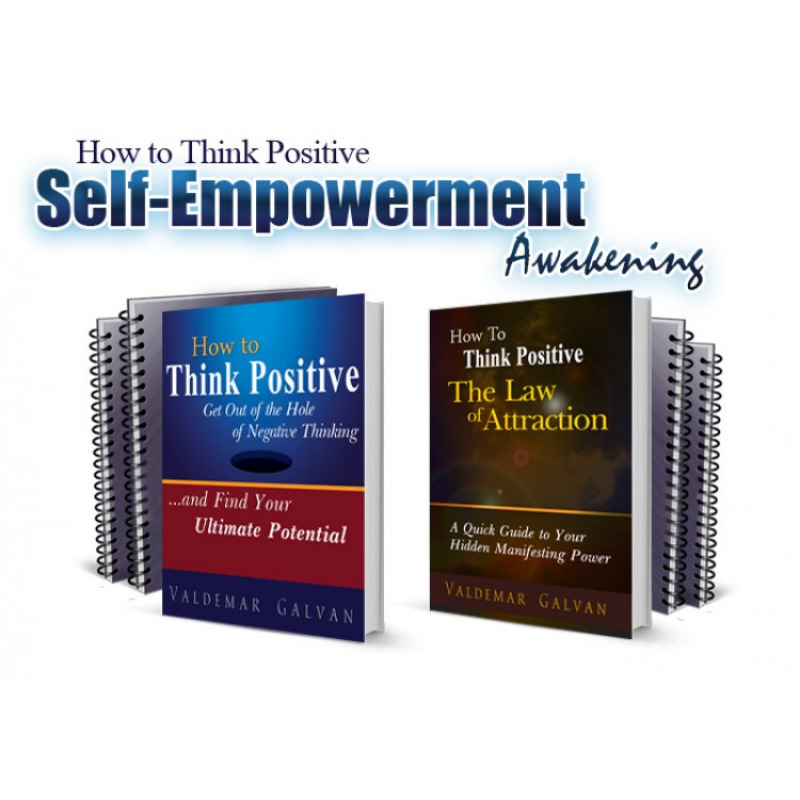
Ready to awaken your inner strength and start living purposefully?
Get Self-Empowerment Awakening now!
And begin your journey to unstoppable confidence today!