


Most people think effective meditation requires long, uninterrupted sessions, but what if you could transform your day with just five minutes? In our hyper-connected world, finding quick ways to reset your mind isn’t just helpful—it’s necessary for your wellbeing. Whether you’re new to mindfulness or struggling to maintain a consistent practice, micro-meditations offer a practical solution to help you navigate daily stress. These bite-sized mindfulness breaks can help you reclaim your calm, boost your focus, and cultivate more joy in your everyday life, all while using simple mindfulness techniques that fit seamlessly into your busy schedule.
This post contains Amazon affiliate links, meaning I may earn a small commission if you purchase through my links, at no extra cost to you. Note: We aim to provide accurate product links, but some may occasionally expire or become unavailable. If this happens, please search directly on Amazon for the product or a suitable alternative.
Quick Wins: Embracing 5-Minute Mindfulness
The Beauty of Short-Burst Meditation
Five-minute meditation sessions pack a powerful punch. Your brain doesn’t need lengthy sits to reap meaningful benefits – these micro-moments of mindfulness trigger the same relaxation response as longer sessions. Research from Harvard Medical School shows that just 5 minutes of focused breathing can lower blood pressure and reduce anxiety. Think of these short bursts like mental push-ups, building your resilience one brief pause at a time.
Crafting Your Own Mini-Rituals
Transform everyday moments into mindfulness opportunities by creating simple, personalized rituals. Your morning coffee brewing becomes a chance to practice presence, focusing on the aroma and sounds. The walk to your car offers a perfect window for a brief body scan. Even washing dishes can become a mindful moment, feeling the warm water and watching soap bubbles form.
Design these mini-rituals around your natural daily rhythm. Start with 2-3 specific anchor points – perhaps your morning shower, lunch break, or evening wind-down routine. Use environmental cues like passing through doorways or checking your phone as reminders to take mindful pauses. The key is consistency over duration – these small moments compound into lasting positive changes when practiced regularly. Consider keeping a simple tracker in your journal or phone to build momentum and celebrate your growing mindfulness habit.
Simple Techniques for Immediate Calm

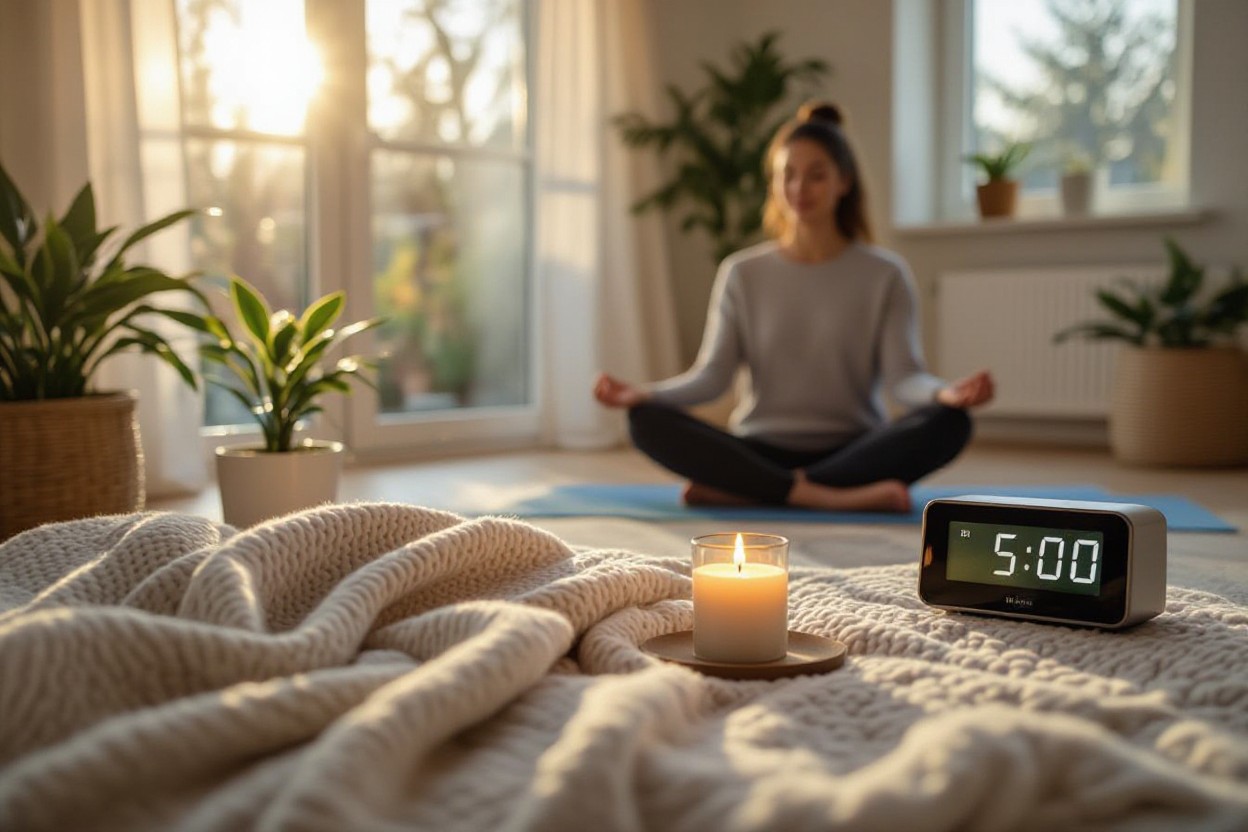
Your path to instant tranquility doesn’t require elaborate setups or special equipment. These straightforward techniques work anywhere, anytime – whether you’re at your desk, in a crowded train, or taking a quick break between meetings. Each method taps into your body’s natural relaxation response, helping you shift from stressed to centered in moments.
Stressed? Overwhelmed? Who has time for hour-long meditations? Not you.
🚀 Download Your FREE enhanced Guide Now: “5-Minute Mindfulness: How Micro-Meditations Can Slash Stress and Supercharge Positivity”
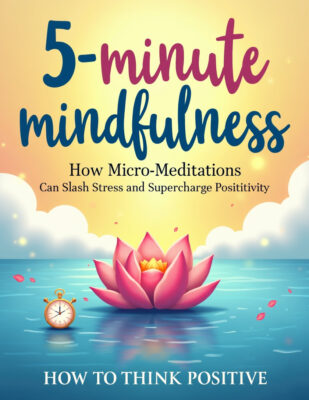
Get your free guide—“5-Minute Mindfulness: How Micro-Meditations Can Slash Stress and Supercharge Positivity”—and discover:
✅ Instant calm with science-backed micro-practices (anywhere, anytime)
✅ How to reset your mood in less time than a coffee break
✅ The secret to making mindfulness stick—even if you’re “too busy”
📲 Perfect for on-the-go! Save it to your phone and use it whenever stress hits.
Grab your free guide + join the How To Think Positive Newsletter for weekly mindset boosts:
Breathwork: Your Instant Reset Button
Try this powerful “4-7-8” breathing technique: inhale quietly through your nose for 4 counts, hold for 7, then exhale completely through your mouth for 8 counts. This pattern triggers your parasympathetic nervous system, naturally lowering your heart rate and blood pressure. Just three cycles can help you feel noticeably calmer. Pair this with your favorite meditation cushion for enhanced comfort and focus.
Grounding Exercises: Feel the Earth Beneath You
Plant your feet firmly on the floor and focus on the sensation of gravity anchoring you. Notice five things you can see, four things you can touch, three things you can hear, two things you can smell, and one thing you can taste. This “5-4-3-2-1” technique instantly connects you to your surroundings and breaks the cycle of racing thoughts.
Physical grounding works exceptionally well when combined with mindful movement. Try walking barefoot on grass or sand, feeling each step’s connection with the earth. Or simply press your palms against your yoga mat while seated, absorbing its texture and temperature. These tactile experiences create an immediate bridge between mind and body, helping you drop into the present moment.
Micro-Meditation for Busy Schedules

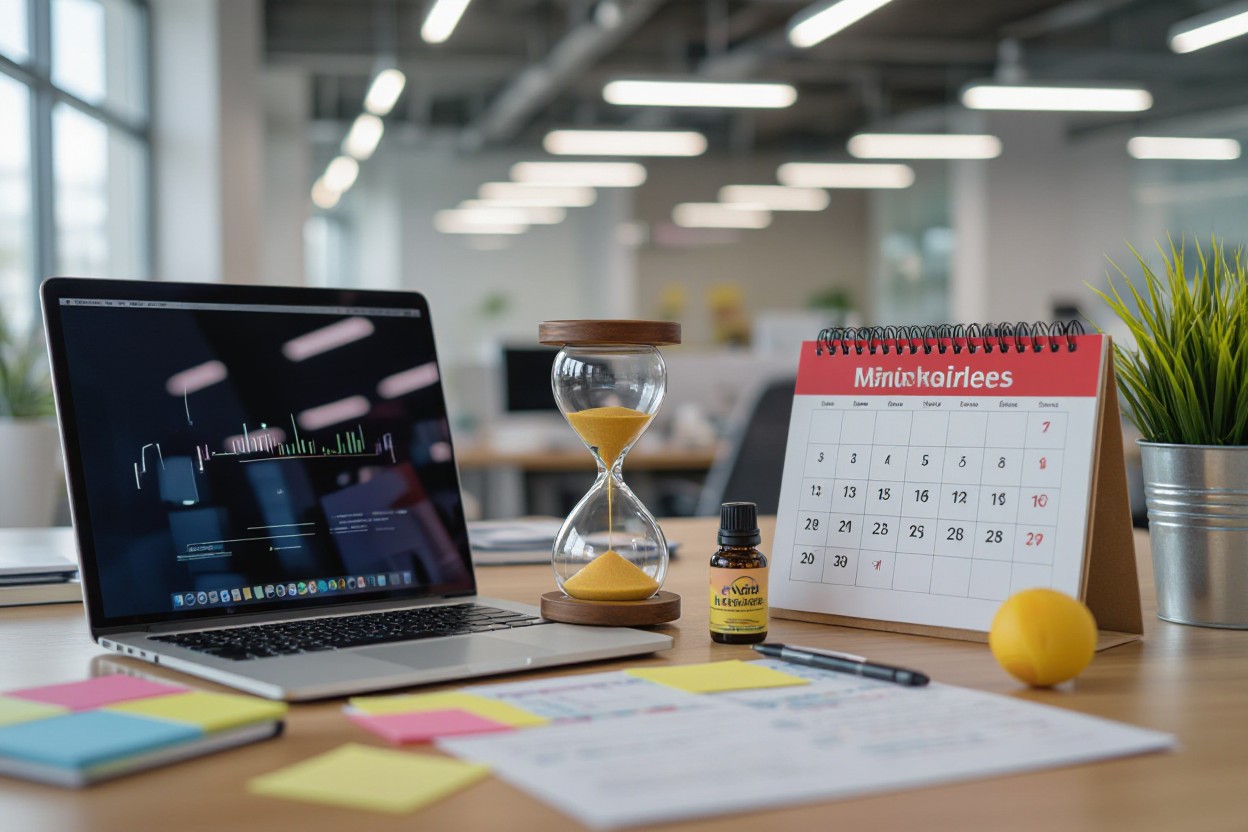
Transform your packed schedule into opportunities for mindfulness by identifying natural pause points throughout your day. Your morning coffee ritual, elevator rides, or even bathroom breaks can become powerful reset moments. Keep a meditation timer handy on your phone and set recurring reminders that align with your daily rhythm – these micro-moments add up to significant mental wellness benefits.
Sneaky Ways to Incorporate Mindfulness into Your Day
Turn everyday activities into mindfulness practices. While washing dishes, focus on the sensation of warm water and soap bubbles. During your shower, notice the water’s temperature and sound. Walking between meetings becomes a moving meditation when you sync your breath with your steps. These stealth meditation moments using a mindfulness app help maintain clarity without adding extra time to your schedule.
Maximizing Mental Clarity During Short Breaks
Make the most of your brief pauses by creating a designated “mindfulness corner” in your workspace. Keep a comfortable meditation cushion nearby, use noise-canceling headphones to block distractions, and maintain good posture. These environmental cues signal your brain it’s time to shift into a more focused, present state.
The key to maximizing these short breaks lies in preparation and intention. Set specific mindfulness goals for each break – perhaps focusing on breath work during your morning break and body scanning during afternoon lulls. Track your energy levels and mental clarity before and after these micro-sessions to identify which techniques work best for you at different times of day. Many professionals report sharper decision-making and improved emotional regulation after implementing structured mini-meditation breaks.
Building Consistency: Making Mindfulness a Habit
Transform your micro-meditation practice into a natural part of your daily rhythm by linking mindful moments to existing habits. Start by choosing specific triggers – like your morning coffee maker‘s brew cycle or the startup sound of your computer. Set realistic goals: begin with just one 5-minute session daily, then gradually expand to 2-3 strategic pauses throughout your day. Your brain responds best to consistency, so stick to the same times and triggers for 21 days to cement your new mindful habit.
Creating Mindful Moments in Everyday Life
Look for natural pause points in your daily routine to insert micro-meditations. While washing dishes, focus fully on the sensation of warm water and soap bubbles. During your shower, notice the patterns of water droplets. While walking to lunch, count your steps or observe the play of sunlight. These ordinary moments become powerful mindfulness anchors when you pair them with your meditation practice, creating a web of calm throughout your day.
Tools and Apps to Support Your Journey
Enhance your practice with carefully chosen digital allies. Your smartwatch can deliver gentle reminder vibrations, while meditation apps offer guided micro-sessions and tracking features. A simple timer app works perfectly for self-guided sessions, or try ambient sound generators for background focus. These tools shouldn’t complicate your practice – they should seamlessly support your journey toward regular mindfulness.
Popular apps like Headspace and Calm offer specialized micro-meditation features, while Insight Timer provides thousands of free guided sessions under 5 minutes. The Mindfulness Bell app randomly chimes throughout your day as a gentle reminder to pause and breathe. For workplace focus, apps like Focus@Will provide science-backed background sounds calibrated for optimal concentration during your mindful work sessions.
The Ripple Effect: Transforming Your Mindset
Micro-meditations create waves of positive change that extend far beyond those few mindful moments. Each brief pause builds upon the last, gradually reshaping your default responses to stress and cultivating a more balanced perspective. Like dropping pebbles into a pond, these small mindful moments send ripples of calm and clarity through your entire day.
How Micro-Meditations Shift Your Perspective
Your brain adapts quickly to these mindful micro-breaks, creating new neural pathways that support clearer thinking and emotional balance. Rather than getting swept up in stress, you’ll start noticing small gaps between triggers and reactions. These tiny spaces become your power zones—moments where you can choose your response rather than defaulting to old patterns.
Cultivating Positivity and Resilience One Minute at a Time
Each micro-meditation strengthens your “resilience muscles,” making you more adaptable to life’s challenges. You’ll find yourself bouncing back faster from setbacks, approaching problems with fresh eyes, and maintaining composure during tough situations. These small investments in mindfulness compound over time, building an unshakeable foundation of inner strength.
The beauty of this approach lies in its simplicity and cumulative effect. By practicing with tools like a meditation timer or following along with mindfulness cards, you’re training your brain to access calm and clarity on demand. Small wins stack up—reducing anxiety during morning meetings leads to better focus during afternoon tasks, which flows into more present evening interactions with loved ones.
Recap: The 5-Minute Micro-Meditation Blueprint
1. Set the Timer (5 minutes)
Use your phone, smartwatch, or a simple kitchen timer. Label it “Mindful Pause” to build positive associations.
2. Find Your Anchor
Choose one focal point:
- Breath (in→out, noticing sensations)
- Body scan (feet → head tension check)
- Ambient sound (birds, rain, city hum)
3. Gentle Entry (1 minute)
- Close or soften your eyes.
- Take 3 full, deep breaths—inhale through the nose, exhale through the mouth.
- Notice how your chest and belly rise and fall.
4. Focused Awareness (3 minutes)
- If you chose breath: silently count each inhale-exhale cycle up to 10, then restart.
- If you chose a body scan: slowly shift awareness from feet → legs → hips → torso → arms → head, pausing 5–10 seconds at each spot.
- If you chose sound: pick one predominant sound and listen as if you’ve never heard it before.
Tip: Whenever your mind wanders (and it will), gently guide attention back to your anchor—no judgment, no “failures.”
5. Grounding & Closure (1 minute)
- Wiggle your fingers and toes.
- Stretch your arms overhead or roll your shoulders.
- Open your eyes, blink twice, and offer yourself a quick “thank you” for this pause.
Final Words
Following this simple yet powerful practice of micro-meditations can transform your daily experience. By incorporating these 5-minute mindfulness breaks into your routine, you’ll discover a practical way to manage stress and enhance your wellbeing. Whether you’re at your meditation space or taking a quick pause at work, these mini-moments of awareness can help you navigate life’s challenges with greater ease and resilience. Start small, stay consistent, and watch how these tiny investments in your mental health yield remarkable returns.
FAQ
Q: How quickly can I expect to feel the benefits of micro-meditation?
A: Many people report feeling calmer after their very first 5-minute session. The meditation timer helps you track these quick sessions. Scientific studies show that consistent practice—even just 5 minutes daily for two weeks—can lead to measurable reductions in stress levels and improvements in focus. The key is regularity rather than duration.
Q: Can I practice micro-meditation at work without looking unprofessional?
A: Absolutely! There are many subtle ways to incorporate micro-meditation into your workday. You can practice while sitting at your desk with a meditation cushion, during bathroom breaks, or between meetings. Keep your eyes slightly open if you prefer, and focus on your breath or do a quick body scan. Many professionals actually report improved work performance and better colleague relationships after implementing these short mindful breaks.
Q: What should I do if my mind keeps wandering during micro-meditation?
A: Mind-wandering is completely normal and part of the process. When you notice your thoughts drifting, simply guide your attention back to your chosen anchor (breath, body, or sounds). Using a mindfulness guide can help maintain focus. Think of each return to your anchor as a “mental push-up”—it’s strengthening your attention muscles. The goal isn’t to have zero thoughts but to practice gentle awareness and redirection.