


Fake confidence might feel like a quick fix when you’re facing self-doubt, but here’s the thing: pretending to be someone you’re not can leave you feeling even more drained and disconnected. You’ve probably heard the age-old advice to “fake it till you make it,” but what if there was a better way? Instead of putting on a confidence mask, you could build genuine self-assurance that actually feels like you. Whether you’re navigating a career change or stepping into new social circles, learning to embrace your authentic self while growing your personal growth journey can be game-changing.
This post contains Amazon affiliate links, meaning I may earn a small commission if you purchase through my links, at no extra cost to you. Note: We aim to provide accurate product links, but some may occasionally expire or become unavailable. If this happens, please search directly on Amazon for the product or a suitable alternative.
The Dark Side of Faking It: Why It Often Backfires
Let’s get real – pretending to be someone you’re not is exhausting. While “fake it till you make it” sounds like clever advice, it often leads you down a path of constant performance and disconnection from your authentic self. Think of it like wearing shoes that don’t quite fit – you might look great, but every step becomes increasingly uncomfortable.
The Emotional Toll of Living a Lie
Maintaining a facade takes serious mental energy. You’re constantly second-guessing yourself, wondering if others can see through your act, and feeling like an imposter. This constant state of alert drains your emotional battery and can leave you feeling more insecure than when you started. The stress of keeping up appearances often shows up as anxiety, burnout, and that nagging feeling that you’re not being true to yourself.
How Forced Positivity Can Sabotage Your True Self
Pushing yourself to always appear confident and positive when you’re not feeling it creates a disconnect between your inner experience and outer expression. This gap can make you feel like a fraud and actually decrease your authentic confidence over time. Your genuine emotions and thoughts get buried under layers of forced cheerfulness and fake bravado.
Think about those moments when you’re trying to force a smile during a tough day, or pretending to be super enthusiastic about a project you’re actually unsure about. This kind of forced positivity doesn’t just feel fake – it actually prevents you from processing your real emotions and finding genuine solutions. Instead of growing through challenges, you’re just covering them up with a happy face sticker. Your authentic voice gets quieter while your performative self gets louder, creating a cycle that’s hard to break free from.
Unlock Genuine Positivity On the Go!

Discover why “faking it” backfires—and what truly works—by grabbing our enhanced PDF of “Why Fake It Backfires and What Works.” You can:
- Read anywhere—on your commute, at lunch, or curled up at home
- Share instantly with friends, family, or study groups
- Put real positivity tools into practice today
👉 Sign up for the How To Think Positive newsletter to download your FREE enhanced PDF now and start transforming the way you—and those you care about—think about positivity!
The Power of Authentic Confidence: Embracing Your Real Self

True confidence isn’t about putting on a show – it’s about owning who you are, quirks and all. Think of it like wearing your favorite comfortable clothes versus squeezing into something that just isn’t you. When you embrace your authentic self, you’ll find that confidence naturally follows, without the exhausting pretense of trying to be someone else.
What It Means to Be Authentically Confident
Authentic confidence feels like being in your element – relaxed, natural, and genuinely you. You’re not trying to impress anyone or meet some imaginary standard. Instead, you’re comfortable acknowledging both your strengths and areas for growth. It’s like having a conversation with a close friend – you don’t need to put on airs or pretend to be perfect.
Cultivating Confidence Through Self-Acceptance
Building real confidence starts with accepting yourself exactly as you are right now. Rather than forcing a fake smile or rehearsing power poses in the mirror, try getting comfortable in your own skin. Start small – celebrate your unique qualities, acknowledge your accomplishments (even tiny ones), and treat yourself with the same kindness you’d show a good friend.
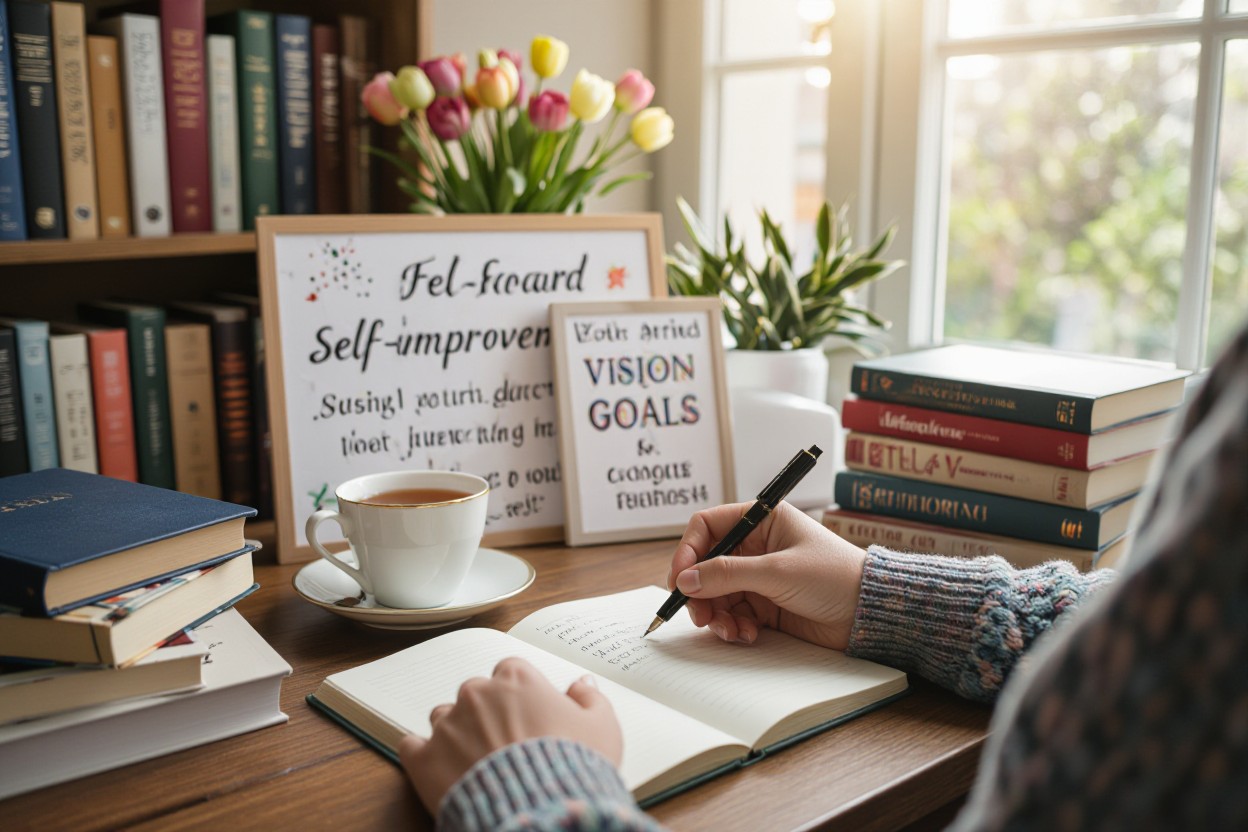
Take baby steps toward self-acceptance by starting a gratitude journal where you write down three things you like about yourself each day. Share your authentic thoughts and feelings with others, even if they’re not perfect or polished. The more you practice being real with yourself and others, the more natural confidence becomes. You’ll find that people are drawn to your genuine nature much more than any carefully crafted persona.
Practical Tips for Overcoming Self-Doubt

Let’s break down some real, actionable ways to build genuine confidence instead of putting on a show. Here’s what actually works when you’re facing those nagging doubts:
- Start your day with a quick win – make your bed or tackle that one small task you’ve been avoiding
- Keep a “confidence journal” to track your daily achievements, no matter how small
- Practice power poses in private before challenging situations
- Connect with supportive friends who bring out your best
- Take on slightly challenging tasks that stretch your comfort zone
Perceiving these small steps as building blocks rather than giant leaps helps create sustainable progress.
Small Wins: The Building Blocks of Confidence
You know that rush you get after completing even the tiniest task? That’s your brain’s reward system at work! Start collecting these small victories like precious gems. Whether it’s sending that email you’ve been postponing or finally organizing your desk drawer, each accomplishment adds another brick to your confidence foundation. The key is to acknowledge and celebrate these moments instead of brushing them off as insignificant.
Creating a Supportive Environment That Fosters Growth
Your environment shapes your confidence more than you might think. Surround yourself with positive influences – people who believe in you and spaces that inspire growth. Clear out the physical and emotional clutter that’s holding you back. Create a workspace that energizes you, and build relationships with people who challenge you to grow while supporting your journey.
Think of your environment as your confidence garden. Just like plants need the right soil, sunlight, and care to thrive, your confidence needs the proper nurturing conditions. This might mean redesigning your workspace, joining supportive online communities, or setting boundaries with negative influences. The people you spend time with, the content you consume, and the spaces you occupy all contribute to your confidence ecosystem. Make conscious choices about these elements, and you’ll create an environment where authentic confidence can naturally flourish.

Embodied Confidence: Moving Beyond Mental Tricks
Real confidence isn’t just in your head – it lives in your body too. Instead of forcing a smile or repeating affirmations in the mirror, let’s explore how your physical presence can naturally boost your authentic self-assurance. Your body knows the truth, and it’s time to let it lead the way to genuine confidence.
The Connection Between Body Language and Confidence
Your body speaks volumes before you even say a word. Try this: stand up right now and strike your favorite power pose. Feel that shift? That’s your body chemistry actually changing, sending signals to your brain that you’ve got this. Unlike forced positivity, these physical adjustments create real, lasting changes in how you feel and how others perceive you.
Practicing Presence: Techniques to Ground Yourself
Grounding yourself isn’t about complex meditation routines – it’s about simple, practical moves you can use anywhere. Plant your feet firmly on the ground, take a deep breath, and feel the weight of your body. This instant connection with your physical self helps quiet those racing thoughts and brings you back to your natural confidence.
Try starting your day with a quick body scan – notice how your shoulders feel, adjust your posture, and take three deep breaths. Keep a mindfulness journal to track how different physical states affect your confidence levels. Throughout your day, catch yourself when you’re physically shrinking and consciously expand your presence. These small adjustments add up to big shifts in how you carry yourself and, ultimately, how confident you feel.
Finding Balance: Authenticity vs. Optimism
Striking the perfect balance between keeping it real and staying positive isn’t about choosing one over the other – it’s about dancing between both. You can absolutely maintain your authenticity while working towards your goals with a splash of optimism. Think of it as being your genuine self while wearing rose-colored glasses that help you spot opportunities for growth.
Embracing Vulnerability as a Source of Strength
Your vulnerabilities aren’t weaknesses – they’re your superpower in disguise! When you open up about your struggles with trusted friends or mentors, you create genuine connections and often discover that others face similar challenges. Instead of hiding behind a mask of perfection, try sharing your journey, including the bumps along the way. You’ll be amazed at how this honest approach can lead to deeper relationships and more meaningful personal growth.
When Positivity Enhances—And When It Hinders
Positivity works wonders when it’s grounded in reality. You’ll thrive when you acknowledge your current situation while maintaining hope for improvement. However, forced cheerfulness can become toxic when it prevents you from addressing real issues or processing natural emotions. The key is using optimism as a tool for progress, not a band-aid for problems.
Think of positivity like seasoning in cooking – the right amount enhances the natural flavors, but too much ruins the dish. When you’re learning a new skill, positive self-talk like “I’m making progress” helps more than “I’m already an expert.” Your brain knows the difference between genuine confidence building and empty affirmations. Focus on celebrating real achievements, no matter how small, while acknowledging areas where you still need growth.
Conclusion
So, instead of trying to fake your way through life, you’ll find more success by embracing your authentic self and building genuine confidence step by step. When you focus on developing real skills and acknowledging your progress, you create a solid foundation that no amount of pretending could match. Your journey to success doesn’t need a mask – it needs your true self, supported by consistent action and genuine growth. By staying authentic and taking small, steady steps forward, you’ll naturally become the person you want to be, without the exhausting pretense of faking it.
FAQ
Q: Why does faking confidence often make me feel worse instead of better?
A: Here’s the thing – when you’re trying to force yourself to act super confident without addressing your inner feelings, it creates this uncomfortable disconnect. It’s like wearing shoes that don’t fit – you can strut around in them, but they’ll keep pinching! Instead of faking it, try starting with small, genuine confidence-building exercises that align with who you really are. Start with tiny wins that feel authentic to you, like mastering a new skill or helping others in your area of expertise.
Q: How can I build real confidence without feeling like an impostor?
A: The secret sauce is focusing on progress rather than perfection. Instead of pretending to be someone you’re not, celebrate your journey! Keep a success journal where you track your small victories and learning moments. When you acknowledge your actual growth (even the stumbles!), you’ll naturally develop authentic confidence that doesn’t feel fake. Plus, being open about your learning process makes you more relatable and trustworthy to others.
Q: What should I do when self-doubt kicks in during important moments?
A: Instead of trying to squash those feelings or put on a brave face, try this cool trick: embrace the butterflies! Turn that nervous energy into excitement. Think “I’m pumped!” rather than “I’m nervous.” Use mindfulness techniques to stay grounded in the present moment. Share your experiences with trusted friends – you’ll be surprised how many people relate to these feelings, and connecting with others who’ve been there can be super empowering. The goal isn’t to eliminate self-doubt but to dance with it while staying true to yourself!