

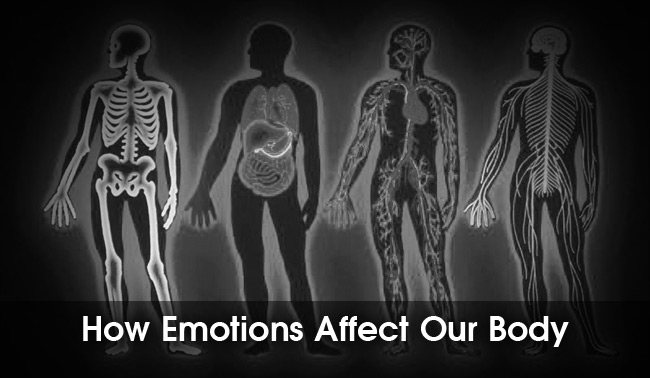
Just as your mind influences your actions, your emotions have a profound impact on your physical well-being. You might not realize it, but every emotional experience triggers a cascade of physiological responses throughout your body. From the way your heart beats to how your digestive system functions, your emotions play a vital role in your overall health. Understanding this connection can help you take better control of your well-being and make informed decisions about your emotional and physical health. In this guide, you’ll discover the fascinating ways your feelings influence your body and learn practical strategies to maintain emotional balance.
This post contains Amazon affiliate links, meaning I may earn a small commission if you purchase through my links, at no extra cost to you. Note: We aim to provide accurate product links, but some may occasionally expire or become unavailable. If this happens, please search directly on Amazon for the product or a suitable alternative.
The Unseen Ties Between Emotion and Physiology
Exploring the Mind-Body Connection
Your nervous system constantly responds to emotional states through a complex network of chemical messengers. When you experience joy, your body releases dopamine and serotonin, promoting feelings of pleasure and well-being. Conversely, during stress, cortisol floods your system, triggering the “fight or flight” response. These biochemical reactions affect everything from your heart rate to your digestive system, demonstrating how deeply your emotions are woven into your physical health.
The Science Behind Emotional Reactions
Research shows that your emotional responses trigger specific physiological changes. When you feel anxious, your muscles tense, heart rate increases, and breathing becomes shallow. Studies from the Mayo Clinic reveal that chronic negative emotions can lead to a 21% increase in inflammation markers in your body. These biological responses aren’t just temporary – they can create lasting impacts on your immune system and overall health.
The neural pathways between emotions and physical responses involve multiple systems working in concert. Your hypothalamus acts as a command center, releasing hormones that influence your autonomic nervous system. This triggers measurable changes in your body – from increased blood pressure during anger to reduced immune function during prolonged sadness. Brain imaging studies show that emotional regulation techniques like meditation can actually alter these physiological responses, helping you maintain better physical health through emotional balance.

The Toll of Negativity: How Emotional Struggles Manifest Physically

Your emotional state leaves lasting imprints on your physical wellbeing through complex mind-body pathways. Research shows that negative emotions trigger inflammation markers, hormonal imbalances, and compromised immune function. These biological changes can manifest as chronic health conditions, affecting everything from your cardiovascular system to your digestive health. Understanding this connection helps you recognize how emotional wellness directly impacts your body’s ability to maintain optimal health.
🧠 Your Emotions Shape Your Health!
Did you know stress, anger, and negativity can physically harm your body? Discover the powerful mind-body connection and learn how to transform your emotional health. Join the free How To Think Positive newsletter now and get the enhanced PDF version of this article—perfect for reading on the go and sharing with family and friends.
Your wellness journey starts with awareness! ✨
(P.S. Knowledge is power—understand your emotions to heal your body!)
Chronic Stress: The Silent Saboteur
Your body’s stress response system works overtime when you’re constantly worried or anxious. Extended periods of stress flood your system with cortisol and adrenaline, leading to elevated blood pressure, weakened immunity, and disrupted sleep patterns. Studies reveal that chronic stress can accelerate cellular aging by shortening telomeres – protective structures at the end of chromosomes. Using stress management techniques like meditation can help regulate these physiological responses.
Emotional Distress and Its Physical Symptoms
Your emotional turmoil often surfaces through physical discomfort. Anxiety might manifest as tension headaches or digestive issues, while depression frequently presents with fatigue and unexplained pain. These symptoms aren’t “just in your head” – they’re real physiological responses to your emotional state. Using tools like stress relief journals can help track these mind-body connections.
The physical manifestations of emotional distress can create a challenging cycle. When you’re experiencing symptoms like muscle tension, insomnia, or digestive problems, these physical challenges can further impact your emotional wellbeing. Breaking this cycle requires addressing both the emotional root causes and their physical expressions through integrated approaches like therapy, mindful movement, and proper nutrition. Regular exercise, particularly activities like yoga, can help release stored emotional tension while improving physical symptoms.
The Role of Positive Emotions in Health
Positive emotions don’t just make you feel good – they actively strengthen your body’s defense systems. Research shows that people who maintain an optimistic outlook have up to 50% lower risk of cardiovascular disease and stronger immune responses. Your positive emotional state triggers the release of beneficial hormones like oxytocin and serotonin, which reduce inflammation, lower blood pressure, and promote healing throughout your body’s systems.
Building Resilience Through Optimism

Your optimistic mindset serves as a psychological buffer against life’s challenges. Studies reveal that optimistic people recover from surgery faster, have better pain management outcomes, and show enhanced wound healing. By consciously practicing optimistic thinking through techniques like gratitude journaling and positive reframing, you build neural pathways that make resilience your natural response to adversity.
The Impact of Gratitude on Well-Being
Practicing gratitude creates measurable changes in your brain and body. When you regularly express appreciation, your brain increases production of dopamine and serotonin – the “feel-good” neurotransmitters that reduce stress and enhance immune function. Research participants who kept daily gratitude logs showed 23% lower levels of cortisol and reported fewer physical symptoms like headaches and nausea.
The physiological benefits of gratitude extend beyond momentary mood boosts. Regular gratitude practice has been linked to improved sleep quality, reduced blood pressure, and decreased inflammation markers in the body. People who score high on gratitude scales show greater heart rate variability – a key indicator of cardiovascular health and stress resilience. By incorporating simple gratitude exercises like writing thank-you notes or keeping a daily gratitude journal, you create lasting positive changes in both your emotional and physical well-being.

Strategies for Harmonizing Emotional and Physical Health
Your emotional and physical wellbeing operate in a continuous feedback loop, each influencing and reinforcing the other. By implementing targeted strategies that address both aspects simultaneously, you can create a powerful foundation for optimal health. The key lies in developing sustainable habits that nourish both your body and mind, creating a balanced approach to wellness that yields long-term benefits.
Nutrition: Fueling the Body and Mind
Your food choices directly impact both your emotional stability and physical vitality. Foods rich in omega-3 fatty acids, like salmon and walnuts, support brain function and mood regulation, while complex carbohydrates help maintain steady blood sugar levels, preventing emotional fluctuations. A balanced diet incorporating whole foods, lean proteins, and plenty of vegetables provides your body with the nutrients needed to maintain emotional resilience and physical strength.
Exercise: The Dual Benefit of Movement
Physical activity triggers the release of endorphins, your body’s natural mood elevators, while simultaneously strengthening your cardiovascular system and building muscle mass. Regular exercise reduces cortisol levels, helping you manage stress more effectively while improving your physical fitness.
Beyond the immediate benefits, consistent exercise creates lasting changes in your brain structure, increasing the volume of regions associated with memory and emotional regulation. Your workout routine doesn’t need to be intense – even moderate activities like yoga, swimming, or brisk walking for 30 minutes can significantly impact your mental and physical health. Studies show that people who exercise regularly experience up to 30% lower rates of depression and anxiety compared to sedentary individuals.

Practical Steps Towards Emotional Wellness
Taking control of your emotional wellness requires deliberate action and consistent practice. The journey begins with small, manageable steps that gradually transform into lasting habits. Your path to emotional balance involves understanding your triggers, developing coping mechanisms, and building a toolkit of practical strategies that work specifically for you.
Mindfulness and Its Physical Benefits
Regular mindfulness practice reduces cortisol levels by up to 23% and increases gray matter density in brain regions associated with emotional regulation. You can start with just 5 minutes of mindful breathing each morning using a meditation cushion to create a dedicated space. This simple practice strengthens your mind-body connection and helps you respond rather than react to emotional triggers.
Creating a Supportive Environment for Emotional Growth
Your physical environment directly impacts your emotional state. Decluttering your space, incorporating natural light, and adding mood-lifting elements like vital oil diffusers can create a sanctuary that supports emotional balance. Studies show that organized spaces reduce cortisol levels and improve mental clarity.
The environment you cultivate extends beyond physical space to include the people and activities that surround you. Connecting with supportive friends, engaging in meaningful hobbies, and establishing boundaries with toxic relationships strengthens your emotional foundation. Consider joining community groups or wellness circles that align with your interests – research shows that social connection increases oxytocin production, naturally boosting mood and reducing anxiety levels.
Conclusion
With this in mind, you now understand how your emotional state directly impacts your physical well-being. When you experience prolonged negative emotions, your body responds through various physical symptoms, from stress-related issues to weakened immunity. By maintaining positive emotional health through regular exercise, proper nutrition, and adequate rest, you can significantly improve your overall health. The mind-body connection plays a vital role in your wellness journey, and understanding this relationship empowers you to take better care of both your mental and physical health.
FAQ
Q: How does chronic stress impact our physical health?
A: Chronic stress can have severe effects on our body’s systems. It can lead to elevated cortisol levels, which may cause weight gain, particularly around the midsection. It can also result in digestive issues, weakened immune system, and increased risk of high blood pressure. Long-term stress may also contribute to inflammation throughout the body, potentially leading to various health conditions including cardiovascular problems and autoimmune disorders.
Q: How can positive emotions benefit our physical well-being?
A: Positive emotions can significantly enhance our physical health in multiple ways. They boost our immune system, helping us fight off illnesses more effectively. Regular positive feelings can lower blood pressure, reduce inflammation, and improve heart health. People who maintain positive emotions often experience better sleep patterns and may benefit from using meditation supports to maintain their emotional balance. Research shows that optimistic people generally have longer lifespans and recover from illnesses faster.
Q: What physical symptoms might indicate emotional distress?
A: Emotional distress often manifests through various physical symptoms. Common indicators include persistent headaches, muscle tension, particularly in the neck and shoulders, and digestive problems. Many people experience sleep disturbances and may benefit from using natural sleep aids. Other symptoms can include fatigue, changes in appetite, skin problems, and unexplained aches and pains. These physical manifestations often improve when the underlying emotional issues are addressed through appropriate care and support.
See the Emotional Pain Chart to see how our emotions affect our health by looking at our body.
Learn more about how to become a positive and more optimistic person.