


Just when you think life has knocked you down for the count, you discover something remarkable: you have the power to rebuild everything from the ground up. Feeling overwhelmed isn’t a permanent state—it’s simply a signal that change is needed. This guide will walk you through practical steps to transform your chaos into clarity, helping you rediscover joy in your daily routine. Whether you’re dealing with burnout, major life transitions, or simply feeling stuck, you’ll learn how to create systems that support your wellbeing. From establishing a morning routine to setting boundaries that actually stick, you’re about to launch on a journey from surviving to truly thriving. Your transformation starts now.
This post contains Amazon affiliate links, meaning I may earn a small commission if you purchase through my links, at no extra cost to you. Note: We aim to provide accurate product links, but some may occasionally expire or become unavailable. If this happens, please search directly on Amazon for the product or a suitable alternative.

Understanding the Types of Overwhelm
Your overwhelm isn’t one-size-fits-all, and recognizing which type you’re experiencing changes everything about how you’ll tackle it. Think of overwhelm as having different flavors—each one demands its own recipe for recovery. Some days you’re drowning in emotions, other times your body simply can’t keep up, and occasionally your mind feels like a browser with 47 tabs open. Breaking down these categories helps you stop fighting invisible enemies and start addressing real, tangible challenges.
- Emotional overwhelm stems from unprocessed feelings and relationship stress
- Mental overwhelm happens when decision fatigue and information overload collide
- Physical overwhelm shows up through exhaustion and bodily symptoms
- Sensory overwhelm occurs when your environment bombards your senses
- After identifying your specific type, you can apply targeted strategies rather than generic advice
| Type of Overwhelm | Primary Indicators |
|---|---|
| Emotional | Crying spells, anxiety, mood swings, feeling emotionally raw |
| Mental | Brain fog, inability to focus, racing thoughts, decision paralysis |
| Physical | Chronic fatigue, tension headaches, muscle pain, sleep disruption |
| Sensory | Noise sensitivity, light intolerance, feeling overstimulated |
| Time-Based | Never enough hours, constantly rushing, missing deadlines |
Emotional Overwhelm
Your heart feels like it’s carrying the weight of a thousand unspoken conversations. Emotional overwhelm sneaks up when you’ve been strong for too long, pushing down feelings that needed expression. You might find yourself tearing up at commercials or snapping at loved ones over minor things. This type often connects to relationship conflicts, grief, or accumulated stress that never got properly processed. A quality journal becomes your best friend here, giving those bottled emotions somewhere safe to land.
Ready to turn this inspiration into your action plan?
The journey from overwhelmed to overjoyed starts with a single step. Download your FREE, enhanced PDF guide:
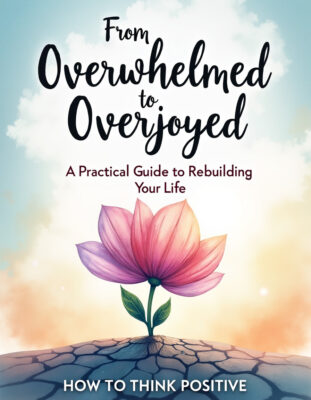
This isn’t just the article—it’s your personal workbook, packed with:
✅ Key takeaways summarized – perfect for quick review and motivation
✅ An exclusive “From Overwhelmed to Overjoyed” worksheet– not available in the post
✅ 5 bonus mindset shifts – to help you maintain momentum on tough days
✅ 10 bonus tips – quick and fast tips to help you take action
Get your free PDF instantly when you join the How To Think Positive newsletter. You’ll also receive weekly support with practical tools and uplifting insights to help you stay focused on your transformation.
👉 Click Here to Download Your Free Guide
Your future self is waiting—and they’re already proud of you. 💫
Physical Overwhelm
Your body starts sending distress signals that you can’t ignore anymore. Physical overwhelm manifests as that bone-deep tiredness where even a full night’s sleep doesn’t refresh you. Your shoulders carry tension like armor, headaches become your unwelcome companion, and you’re reaching for pain relief more often than you’d like to admit. This isn’t just about being tired—it’s your body waving red flags that something needs to change.

The connection between physical overwhelm and your daily habits runs deeper than most people realize. You’re probably skipping meals, surviving on coffee instead of real nutrition, and treating sleep as optional rather than crucial. Your body doesn’t operate on willpower alone—it needs fuel, rest, and movement to function. When you ignore these basic needs for too long, everything starts breaking down. Simple tasks feel monumental, your immune system weakens, and you catch every cold that passes through your office. Physical overwhelm isn’t weakness; it’s your body’s honest accounting of what you’ve been putting it through.

Step-by-Step Guide to Rebuilding Your Life
Rebuilding your life isn’t about dramatic overnight transformations or waiting for lightning to strike. You’re looking at a process that unfolds one deliberate choice at a time, where small wins compound into meaningful change. The framework below breaks down this journey into manageable phases that actually work in real life, not just on paper.
| Phase | Key Actions |
| Foundation | Honest self-assessment, identifying pain points, acknowledging what’s working |
| Planning | Setting specific goals, creating timelines, establishing support systems |
| Action | Daily habits, tracking progress, adjusting strategies as needed |
| Maintenance | Celebrating wins, preventing burnout, sustaining momentum |
Assessing Your Current Situation
Grab a journal and spend twenty minutes writing down exactly where you stand right now. List your daily habits, your energy levels throughout the week, your relationships, your finances, and your emotional state without sugar-coating anything. This snapshot becomes your starting line, and you’ll be surprised how much clarity emerges when you stop carrying everything in your head and see it laid out in front of you.
Setting Achievable Goals
Your goals need to pass the “Monday morning test”—can you actually see yourself doing this on a regular Tuesday when motivation is low and life gets messy? Break down big dreams into micro-goals that take 15-30 minutes daily. Instead of “get healthy,” try “walk for 20 minutes after lunch.” Instead of “fix my career,” start with “update one section of my resume this week.” These bite-sized targets create momentum without triggering the overwhelm that makes you quit.

The magic happens when you stack these small goals strategically. Choose three areas of your life that need attention most—maybe your physical health, your living space, and your social connections. Assign one micro-goal to each area per week. This approach prevents you from spreading yourself too thin while ensuring you’re making progress on multiple fronts. Track your wins in a habit tracker, and watch how accomplishing small things builds the confidence you need to tackle bigger challenges. Your brain starts recognizing you as someone who follows through, and that identity shift changes everything about how you approach obstacles.
Factors Contributing to Overwhelm
Your overwhelm didn’t appear overnight, and it certainly didn’t show up without reason. Multiple forces converge to create that suffocating feeling of being buried under responsibilities, emotions, and expectations. The weight you’re carrying comes from both outside demands and the stories you tell yourself about what you should be doing, who you should be, and how fast you should be moving. Understanding these contributors helps you identify where to start loosening their grip on your daily life.
- Work demands that extend beyond reasonable hours
- Financial pressures and mounting bills
- Relationship conflicts requiring emotional energy
- Health challenges affecting your capacity
- Technology creating constant connectivity
- Social expectations and comparison culture
Recognizing these patterns allows you to address them systematically rather than feeling helpless against an unnamed enemy.
External Pressures
The world moves at a relentless pace, and you’re expected to keep up. Your inbox fills faster than you can empty it, deadlines overlap like waves crashing on shore, and everyone seems to need something from you yesterday. Social media feeds show everyone else apparently thriving while you’re struggling to remember if you ate lunch. These outside demands are real and measurable—the 50-hour work weeks, the packed family calendar, the financial obligations that don’t pause when you’re tired. Your environment actively works against your peace of mind.
Internal Beliefs
Beyond the external chaos, your mind creates its own prison of expectations. You’ve absorbed messages throughout your life about productivity, success, and worthiness that now play on repeat. “I should be able to handle this” becomes your mantra, even when “this” would overwhelm anyone. Perfectionism whispers that anything less than flawless is failure, while comparison tells you that everyone else has figured out what you’re still struggling with.
These internal narratives often prove more destructive than actual external demands. You might decline help because asking feels like admitting defeat. You push through exhaustion because rest seems lazy. You say yes to commitments that drain you because saying no feels selfish. The voice in your head sets impossible standards, then criticizes you for not meeting them. Breaking free requires examining which beliefs actually serve you and which ones you’ve been carrying simply because nobody questioned them before. A good mindfulness journal can help you track these thought patterns and begin challenging the ones that keep you stuck in overwhelm.
Pros and Cons of Different Approaches
You’ve probably noticed that rebuilding your life isn’t a one-size-fits-all journey. Some people thrive on gradual change, while others need to make dramatic shifts all at once. Both paths have their merits and challenges, and understanding them helps you choose what resonates with your personality and circumstances. The key is knowing yourself well enough to pick the approach that won’t leave you burned out or stuck in analysis paralysis.
| Small Steps Approach – Pros | Small Steps Approach – Cons |
| Less overwhelming and easier to maintain | Progress feels slow and can be frustrating |
| Lower risk of burnout or giving up | May lose motivation before seeing real results |
| Easier to adjust course when needed | Can become an excuse for procrastination |
| Builds sustainable long-term habits | Doesn’t create the urgency some people need |
| Fits well alongside existing commitments | Easy to slip back into old patterns |
| All-In Approach – Pros | All-In Approach – Cons |
| Creates immediate, visible transformation | High risk of overwhelming yourself |
| Generates momentum and excitement quickly | Difficult to sustain without proper support |
| Forces you out of comfort zone completely | Can lead to burnout or complete collapse |
| Makes it harder to return to old habits | Requires significant resources and energy |
| Provides clarity through decisive action | Leaves little room for course correction |
Taking Small Steps
Starting with small, manageable changes gives you breathing room to adapt without turning your world upside down. You might begin by waking up fifteen minutes earlier, swapping one unhealthy meal for something nutritious, or dedicating ten minutes to meditation. These micro-adjustments compound over time, creating significant transformation without the shock of radical change. Your brain adapts more easily, and you build confidence with each tiny victory, proving to yourself that change is actually possible.
Jumping In with Both Feet
Sometimes you need to burn the boats and commit completely to your new direction. This approach means quitting that soul-crushing job without another one lined up, ending the toxic relationship immediately, or selling everything to pursue your dream. The intensity creates a point of no return that eliminates the temptation to retreat into familiar comfort zones.
This method works best when you’ve reached a breaking point where staying put causes more pain than the uncertainty of change. You’ll need financial reserves, a support system, and genuine conviction that your current path is unsustainable. People who succeed with this approach often describe feeling liberated despite the chaos, as if they’ve finally aligned their external reality with their internal truth. The adrenaline and urgency can fuel incredible productivity, but you’ll need strategies to manage the inevitable moments of doubt and overwhelm that follow such dramatic life changes.
Tips for Maintaining Your Progress
You’ve come so far, and now the real work begins—keeping that momentum alive. The transformation you’ve experienced isn’t a destination but an ongoing journey that requires daily attention and care. Think of your progress like a garden: it needs regular watering, weeding, and sunlight to flourish. Skipping even a few days can let old habits creep back in, so consistency becomes your best friend. Perceiving setbacks as temporary detours rather than permanent roadblocks will keep you moving forward with grace and determination.
- Check in with yourself daily through journaling or quiet reflection
- Celebrate small wins to reinforce positive behavior
- Adjust your strategies when something stops working
- Stay connected to your original “why” for starting this journey
- Perceiving challenges as opportunities for growth strengthens your resilience
Developing a Routine
Your morning sets the tone for everything that follows. Building a solid routine creates guardrails that protect your progress from the chaos of daily life. Start with just three non-negotiable activities—maybe meditation, exercise, and a healthy breakfast—and stack them in the same order every day. Your brain loves patterns, and within three weeks, these actions become automatic rather than requiring willpower. The magic happens when you stop deciding whether to do something and simply follow the rhythm you’ve established.
Seeking Support
Going solo might feel empowering at first, but sustainable change happens in community. Finding your people—whether through a support group, therapy, or trusted friends—creates accountability and reminds you that you’re not alone in this struggle. Sharing your victories and vulnerabilities with others who understand your journey builds connections that fuel your continued growth.
The right support system acts as both mirror and safety net. A good therapist or coach can spot patterns you’re too close to see, while friends who’ve walked similar paths offer practical wisdom that books can’t provide. Don’t wait until you’re drowning to reach out—build these relationships now, during your strong moments. Join online communities, attend local meetups, or invest in professional guidance that aligns with your goals. The people you surround yourself with either lift you higher or pull you back, so choose deliberately and invest in relationships that honor the person you’re becoming.

Overcoming Setbacks
Setbacks aren’t roadblocks—they’re redirections. Every stumble teaches you something about your path forward, revealing weak spots in your foundation that need reinforcement. The difference between people who rebuild successfully and those who stay stuck isn’t the absence of setbacks; it’s how quickly they get back up. You’ll face moments when progress feels impossible, when old patterns resurface, or when life throws unexpected challenges your way. These moments don’t erase your progress—they’re simply part of the messy, non-linear journey of transformation. Your response to these setbacks shapes your entire rebuilding process.
Identifying Triggers
Your triggers operate like invisible trip wires, sending you spiraling before you even realize what happened. Start keeping a journal specifically for tracking these moments—write down what happened right before you felt overwhelmed, stressed, or ready to give up. Patterns emerge faster than you’d expect. Maybe Sunday evenings drain you, or certain people consistently leave you feeling depleted. Perhaps specific locations, sounds, or even weather conditions affect your mood more than you realized. Once you spot these patterns, you can create buffer zones around your triggers instead of walking blindly into them.
Practicing Self-Compassion
Self-compassion means treating yourself like you’d treat a good friend who’s struggling. You wouldn’t berate your friend for making mistakes or having a bad day, yet you probably do this to yourself constantly. When setbacks happen, your inner critic likely launches into a familiar monologue about failure and inadequacy. That voice needs to be replaced with one that acknowledges difficulty while maintaining kindness.
The practice starts with noticing your self-talk throughout the day. Catch yourself mid-criticism and pause. Ask yourself: “Would I say this to someone I care about?” The answer is almost always no. Replace harsh judgments with statements that validate your struggle while encouraging forward movement. Instead of “I’m such a failure for slipping up,” try “This was hard, and I did my best with what I knew at the time.” Keep a stack of affirmation cards nearby for days when generating kind words feels impossible. Self-compassion isn’t about lowering standards—it’s about creating the emotional safety needed to keep trying when things get tough.
To Wrap Up
Hence, your journey from overwhelmed to overjoyed isn’t a destination but an ongoing process of self-discovery and growth. You’ve learned that rebuilding your life means embracing small, consistent steps rather than waiting for dramatic transformations. By implementing practical strategies, setting boundaries, and nurturing your mental wellness, you’re already creating the foundation for lasting change. Your path forward is uniquely yours, filled with possibilities that unfold when you choose progress over perfection. Take what resonates, leave what doesn’t, and trust that you have everything within you to create the life transformation you deserve. Your best chapter is waiting to be written.
FAQ
Q: What exactly is “From Overwhelmed to Overjoyed: A Practical Guide to Rebuilding Your Life” about?
A: This guide is your roadmap out of the chaos and into a life that actually feels good again. You know that feeling when everything seems to be falling apart at once? When you wake up already exhausted, dreading the day ahead? This book meets you right there in that messy middle and walks you through practical, doable steps to rebuild your life piece by piece. It’s not about toxic positivity or pretending everything’s fine – it’s about honest strategies for creating real change. The guide covers everything from managing your daily stress to rediscovering what actually brings you joy. Think of it as having a wise friend who’s been through the storm and knows the way out.
Q: Who is this guide really for?
A: This guide is for you if you’re feeling stuck, burned out, or like you’re just going through the motions. Maybe you’ve lost touch with who you are beneath all the responsibilities and expectations. Perhaps you’re dealing with a major life transition – a career change, relationship ending, or just the cumulative weight of too many demands. If you find yourself snapping at people you love, forgetting what you actually enjoy doing, or feeling like you’re constantly playing catch-up with your own life, this is for you. It’s also perfect if you’re ready to stop just surviving and start building something better. You don’t need to be in crisis mode – sometimes you just need a fresh perspective and some actionable tools to shift your direction.
Q: How is this different from other self-help books?
A: Here’s the thing – this isn’t another book that tells you to “just think positive” or meditate your problems away. While there’s value in mindfulness practices, this guide gets that you need more than that. It’s practical, not preachy. You’ll find real exercises you can actually do, even when you’re exhausted. The approach acknowledges that rebuilding your life isn’t about one magic solution – it’s about small, consistent changes that add up. Plus, it speaks to you like a real person, not like you’re a problem that needs fixing. The guide respects where you are right now and gives you permission to start small. No overwhelming 47-step programs or impossible standards. Just honest, helpful guidance that works with your real life, not some idealized version of it.
Q: What kind of practical strategies does the guide include?
A: The guide breaks down into manageable sections that you can tackle one at a time. You’ll learn how to identify what’s actually draining you versus what energizes you – and how to shift that balance. There are techniques for setting boundaries without guilt (yes, it’s possible!), strategies for simplifying your daily routine, and ways to reconnect with activities that light you up. You’ll also find exercises for processing difficult emotions instead of just pushing them down. The guide includes practical tips for managing your energy throughout the day, creating space for rest without feeling lazy, and building a support system that actually supports you. Each chapter ends with action steps – not homework that feels like another chore, but gentle invitations to try something new. You can work through it at your own pace, skip around to what you need most, or go straight through.
Q: How long does it take to see results from following this guide?
A: You’ll likely notice small shifts within the first week or two – maybe you’ll feel slightly less reactive, or you’ll catch yourself actually enjoying a moment instead of worrying about the next thing. But here’s what you need to know: rebuilding your life isn’t a race. Some changes happen quickly, while
Ready to finally break free from the negativity trap?
You’ve read about the 3am spiral, the financial struggle, the self-sabotage. You know the feeling of being stuck all too well. But here’s the truth: You are not broken, and you are not alone.
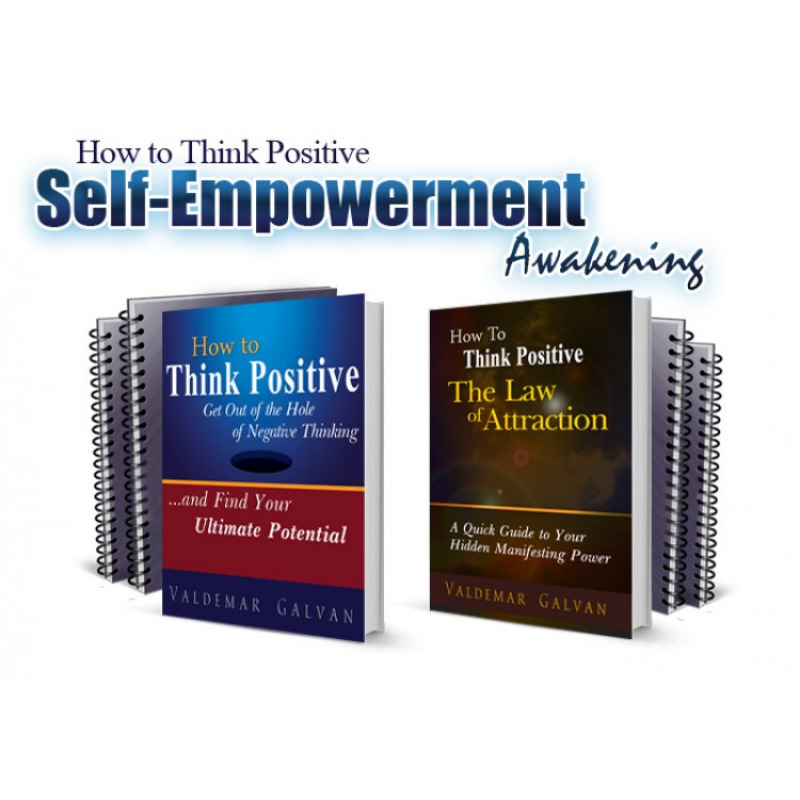
Introducing Self-Empowerment Awakening—the complete system that pulled me back from the edge. This isn’t fluffy "just think positive" advice. It’s a proven, step-by-step framework to:
✅ Transmute negativity at its root—not just cover it up.
✅ Reprogram the subconscious beliefs keeping you stuck.
✅ Align your energy to attract the life you actually want.
✅ Unlock your true identity—free from past failures.
This system includes 5 powerful modules, plus 3 exclusive bonus guides and 3 classic personal development personal improvement guides you can add to your online library. It’s the exact roadmap I used to escape depression and financial struggle, and it’s helped hundreds of others do the same.
For a limited time, get instant access for just $27 (regularly $47). Lifetime Access.
👉 Click Here to Start Your Transformation Now
P.S. You didn’t find this page by accident. Something inside you is ready for change. The system is here. The tools are ready. The only question is: are you ready to take the first step?
Ready to awaken your inner strength and start living purposefully?
Get Self-Empowerment Awakening now!
And begin your journey to unstoppable confidence today!