


You’re juggling endless tasks, racing against deadlines, and feeling like your energy tank is running on empty. In today’s fast-paced world, burnout has become an all-too-familiar companion for busy professionals like you. Whether you’re managing a demanding career, family responsibilities, or both, finding balance can feel impossible. But here’s the good news: you don’t need a complete lifestyle overhaul to reclaim your mental wellness. These simple mindset shifts can help you bounce back from burnout while maintaining your dynamic lifestyle.
This post contains Amazon affiliate links, meaning I may earn a small commission if you purchase through my links, at no extra cost to you. Note: We aim to provide accurate product links, but some may occasionally expire or become unavailable. If this happens, please search directly on Amazon for the product or a suitable alternative.
The Stress-Triggering Patterns We Often Ignore
Hidden stress patterns lurk beneath your daily routines, silently accumulating until they reach a breaking point. These seemingly harmless habits – like checking emails first thing in morning, skipping lunch breaks, or saying “yes” to every request – create a compound effect that gradually depletes your mental and physical resources.
Recognizing Your Burnout Signals
Your body sends clear warning signs before hitting complete exhaustion. Watch for telltale indicators like forgetting simple tasks, feeling irritated by minor inconveniences, or losing interest in activities you typically enjoy. Physical symptoms might include tension headaches, disrupted sleep patterns, or reaching for that third cup of coffee before noon.
The Create-React Cycle: How It Fuels Fatigue
The create-react cycle traps you in a perpetual state of responding to demands rather than thoughtfully creating your day. You start each morning reacting to notifications, emails, and urgent requests, which triggers a cascade of stress hormones and depletes your mental energy reserves.
Breaking this cycle requires conscious effort to establish boundaries between reactive and creative time blocks. Try designating specific hours for deep work and implementing a “notification-free” zone during your peak productivity periods. Studies show that professionals who batch their reactive tasks (like email and meetings) into designated time slots report 37% higher satisfaction with their work-life balance and experience fewer symptoms of burnout.
Ready to Break Free from Burnout?
Join the How To Think Positive Newsletter and get instant access to the enhanced version of “Burnout Bounce-Back: 5 Quick Mindset Shifts for Busy Lifestyle” — a FREE guide packed with practical tips to help you regain balance, boost mental energy, and thrive in your busy life.
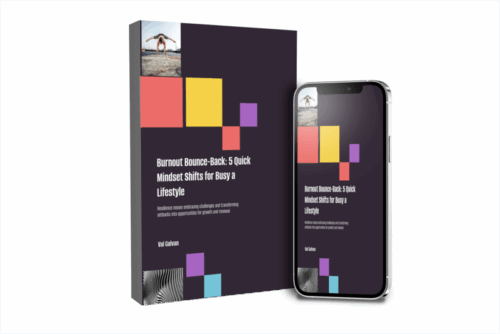
No fluff. No overwhelm. Just clear, doable strategies you can start using today. And take it on the go!
👉 Get your free burnout-busting blueprint!
Your path to more calm, control, and positivity starts here.
The Power of ‘No’: Setting Boundaries for Mental Energy

Your mental energy works like a battery – saying “yes” to everything quickly drains it. Learning to say “no” strategically helps preserve your cognitive resources for what truly matters. Setting clear boundaries isn’t selfish; it’s a form of self-respect that allows you to show up fully for the commitments you do make. Start small by declining one non-important request this week and notice how it feels to reclaim that time and energy.
Understanding the Freedom in Declining Requests
Each “no” to a low-priority task becomes a “yes” to your wellbeing. Think of boundary-setting as a self-care practice that creates space for recovery and growth. By carefully choosing where to invest your energy, you’ll find yourself more present and effective in the activities that align with your goals. Your calendar will begin to reflect your true priorities rather than others’ demands.
Practices for Assertive Communication
Replace wishy-washy language with clear, confident responses. Instead of “I’ll try” or “maybe later,” use phrases like “I need to decline” or “This doesn’t fit my schedule right now.” Keep a list of ready-made professional responses on your phone for quick reference when requests come in. Your directness helps others respect your time while setting healthy precedents for future interactions.
The art of saying “no” gracefully comes through practice and preparation. Try the sandwich method: start with appreciation, deliver your “no,” and end with an alternative suggestion or expression of support. For example: “Thanks for thinking of me for this project. I’m at capacity right now and can’t take on additional work. I’d be happy to recommend someone else who might be able to help.” This approach maintains relationships while protecting your boundaries.
Mindful Minutes: The Art of Intentional Breathing
Your breath serves as a powerful anchor to the present moment, instantly shifting your mind from chaos to calm. By focusing on your breathing patterns, you can activate your body’s natural relaxation response within minutes. Research shows that just 60 seconds of deep breathing can lower cortisol levels by up to 20% and reduce heart rate variability – making it your secret weapon against daily stress.
Techniques to Pause and Reset During the Day

Try the 4-7-8 breathing technique: inhale for 4 counts, hold for 7, exhale for 8. Use your smart watch to set gentle reminders every 2-3 hours. Another effective method is box breathing: visualize tracing a square while breathing in equal counts. These quick exercises can be done during elevator rides, between meetings, or while waiting for your morning coffee to brew.
Incorporating Mindfulness into Your Routine
Transform everyday activities into mindfulness opportunities. While brushing your teeth, focus on the sensation. During your commute, notice five new things about your surroundings. Keep a mindfulness journal on your desk for quick reflection breaks.
Start by identifying three “mindfulness triggers” in your daily schedule – perhaps your morning shower, lunch break, or evening wind-down. Each trigger becomes a cue to practice 30 seconds of mindful awareness. Studies show that linking mindfulness to existing habits increases practice consistency by 80%. Your brain gradually rewires itself to automatically shift into a more present state during these moments, creating sustainable stress-management patterns.
Gratitude Reboot: Shifting Focus from Tasks to Triumphs
Transform your daily grind into moments of appreciation by consciously redirecting your attention from your to-do list to your achievement list. Instead of fixating on pending tasks, take five minutes each day to acknowledge three wins – big or small. Whether you’ve mastered a new productivity technique or simply maintained your composure during a challenging meeting, celebrating these moments rewires your brain for positivity and resilience.
Daily Practices to Cultivate a Grateful Mindset
Start your morning by jotting down three things you’re looking forward to in your gratitude journal. During lunch breaks, send a quick thank-you message to someone who’s helped you recently. End your day by reflecting on one unexpected positive moment. These micro-practices take less than five minutes but create a powerful shift in your perspective, helping you spot opportunities rather than obstacles.
The Impact of Gratitude on Mental Resilience
Research shows that practicing gratitude for just two weeks can reduce stress hormones by 23% and increase resilience to workplace challenges. Your brain actually changes when you maintain a grateful outlook, strengthening neural pathways associated with optimism and problem-solving. Regular gratitude practices can boost your immune system and improve sleep quality by reducing anxiety-related thoughts before bedtime.
These benefits compound over time, creating a positive feedback loop in your brain. Studies from the University of California found that people who kept a mindfulness journal focused on gratitude reported 50% higher levels of work satisfaction and showed improved decision-making abilities under pressure. Your capacity to bounce back from setbacks strengthens naturally as you train your mind to identify and appreciate the good in each day.
Meaningfulness Over Productivity: The New Paradigm
Breaking free from the endless cycle of checkbox-ticking means shifting your focus from pure output to genuine impact. Your worth isn’t measured by the number of tasks completed, but by the value and meaning behind each action. This mindset transformation allows you to work smarter, not harder, while creating lasting positive changes in both your professional and personal life.
Re-evaluating Your To-Do List Through a Purpose Lens
Take your current to-do list and ask yourself: “Does this task align with my core values and long-term vision?” Using a productivity journal, divide your tasks into three categories: high-impact meaningful work, necessary maintenance tasks, and activities that can be eliminated or delegated. This simple exercise often reveals that 20% of your tasks generate 80% of your meaningful results.
How to Align Daily Tasks with Personal Values
Start each morning by identifying one task that directly connects to your bigger purpose. Whether it’s mentoring a colleague, working on a passion project, or dedicating time to skill development with a personal development book, these purpose-driven activities energize rather than drain you. Map out your week ensuring at least 30% of your time goes to these meaningful pursuits.
Consider creating a values-based scheduling system where you color-code activities based on their alignment with your core principles. For example, green for growth-oriented tasks, blue for relationship-building activities, and yellow for creative pursuits. This visual approach helps you maintain balance while ensuring your daily actions reflect what truly matters to you. Many professionals find that this method naturally reduces burnout by making each day more purposeful and engaging.
Final Words
As a reminder, you have the power to overcome burnout by implementing these simple mindset shifts in your daily routine. Your well-being matters, and taking small steps to protect your mental health can make a significant difference. By setting boundaries, practicing self-compassion, and maintaining a balanced perspective, you’re investing in your long-term happiness and success. Start applying these strategies today, and watch how your energy and motivation naturally bounce back.